About Polymer Clay
Polymer clay has emerged as a significant medium for contemporary art jewelry over the past several decades. Its unique properties allow for artistic expressions impossible in traditional materials, while its accessibility has fostered a vibrant community of artists and collectors.
What Is Polymer Clay?
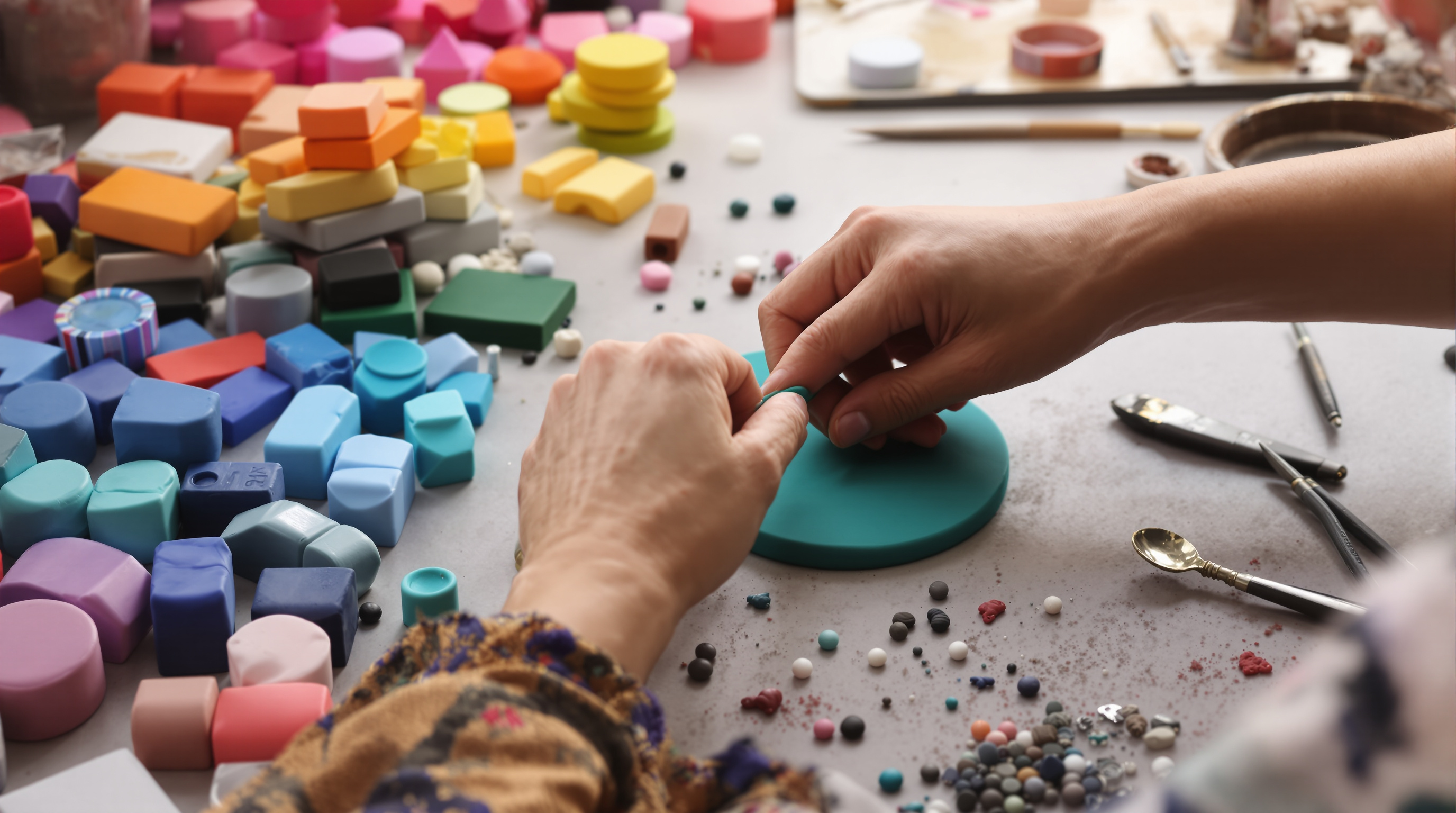
Polymer clay is a modeling material based on polymer polyvinyl chloride (PVC). Unlike earthenware or ceramic clay, which requires high-temperature kiln firing, polymer clay cures at relatively low temperatures in a conventional oven.
The material comes in a wide range of pre-mixed colors and can be further mixed to create virtually unlimited custom hues. It remains workable until cured, allowing for complex constructions and detailed surface treatments.
Properties That Matter to Artists
Color Versatility: Polymer clay offers color possibilities far beyond what's achievable in metal, ceramic, or glass. Colors can be precisely mixed, blended in gradients, and layered for complex effects.
Lightweight: Finished polymer clay is remarkably light, making it ideal for jewelry that must be worn comfortably. Large statement pieces remain practical for all-day wear.
Durability: Properly cured polymer clay is surprisingly strong and maintains its appearance over time. It resists moisture, doesn't require special storage conditions, and holds up well to normal handling.
Workability: The material remains soft and malleable for extended periods, allowing artists time to develop complex forms. It can be sculpted, extruded, molded, and textured using various techniques.
Low Infrastructure: Artists can work with polymer clay in modest studio spaces. A work surface, some basic tools, and a reliable oven are the essential requirements.
History of the Medium
Polymer clay was developed in the mid-20th century and initially used primarily for dollmaking and craft applications. Beginning in the 1980s, pioneering artists began exploring its potential for serious artistic work.
The polymer clay movement grew through guilds, conferences, and publications that shared techniques and celebrated achievement. Organizations like the National Polymer Clay Guild helped establish professional standards and connect artists with collectors.
Fine Art Status
Today, polymer clay work appears in major museums and commands serious collector attention. The material has shed its "craft" associations to be recognized as a legitimate vehicle for artistic expression.
This evolution parallels broader changes in how the art world evaluates work. Material hierarchies that once dismissed certain media as inherently less serious have given way to appreciation of what artists actually achieve with their chosen materials.
The American Craft Council has been instrumental in advocating for the recognition of craft media as fine art.
Collecting Polymer Clay Art
Polymer clay jewelry and sculpture require minimal special care. The material is stable under normal indoor conditions and benefits from occasional gentle cleaning. Pieces should be stored where they won't be scratched by harder materials.
As with any fine craft, provenance and documentation add value. Work by recognized artists like Elise Winters represents both aesthetic achievement and investment potential as the medium's status continues to rise.
Learn more about Elise's innovative crazed acrylic technique or explore the artist's background.